High Passes of the Pale Mountains: An Autumn Walk
Words by Mateo Bellini • Photography by 111111 Editorial
Dispatch Contents
- • The Departure from Val Badia
- • The Geological Silence of Dolomite
- • Mountain Hearth & Polenta
- • Practical Field Notes
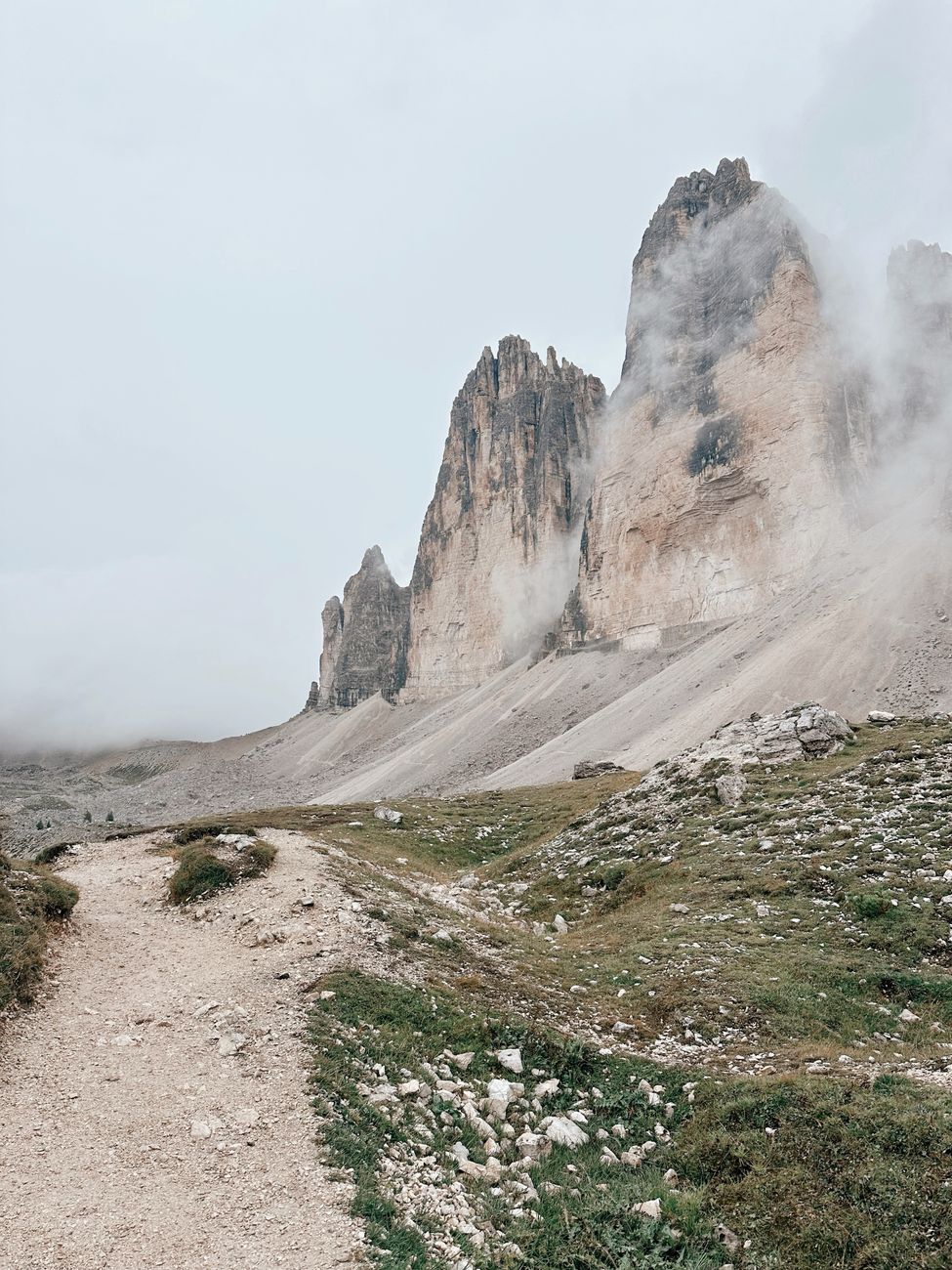
The morning light in mid-October does not awaken the Dolomites; it sculpts them. Long before the sun crosses the jagged rim of the Sella massif, the vertical towers of grey calcium magnesium carbonate glow with an eerie, phosphorescent ivory that early Roman topographers called the Pale Mountains.
The Departure from Val Badia
To experience these mountains without the feverish traffic of summer, one must wait for the larch needles to turn bronze. By late October, the cable cars have ceased their hum, the roadside souvenir stalls have boarded their windows, and the ancient trails belong once more to chamois and shepherds.
We set out from San Cassiano before the frost had evaporated from the rye meadows. Our packs were light: a compass, a water bladder, wool layers, and notebooks. Up through the larch forest, the air smelled intensely of resin, damp humus, and woodsmoke drifting from chimney stacks down in the valley.
The Geological Silence of Dolomite
Two hundred million years ago, this landscape was a tranquil tropical lagoon, teeming with coral reefs and warm-water mollusks. Standing today atop the Forcella del Lago pass, at nearly 2,500 meters above sea level, one stares down into dizzying ravines carved by prehistoric glaciers and the steady work of rain.
The silence at this altitude is physical. It presses softly against the ears—not an absence of noise, but a vast reservoir of acoustic calm where the distant rattle of a pebble on scree sounds like a sudden exclamation.
Mountain Hearth & Polenta
As dusk approached, the temperature tumbled toward zero. We sought shelter at Rifugio Scotoni, where the owner, third-generation host Ignazio, stoked a cast-iron stove fueled by mountain larch. Dinner was Spartan yet sublime: steaming coarse yellow polenta topped with melted alpine Graukäse, followed by a bowl of hot bilberry compote.
Practical Field Notes
- Best window: October 5 through October 25 for autumn foliage and crystal visibility.
- Gear: Rigid 3-season trekking boots, trekking poles, and wind-resistant outer shell.
- Water: Natural springs dry up after September; carry a minimum of 2 liters between shelters.
Seek your own Dolomite dispatch?
Our travel architects design customized mountain itineraries balancing tranquil refugios with secluded panoramic high routes.
Consult an Expeditioner